Cognitive Biases in Management
Au programme :
Le récap de l’article
The article explores cognitive biases in management, highlighting their dual impact. It offers strategies to minimize them and emphasizes the importance of open communication for effective performance management.
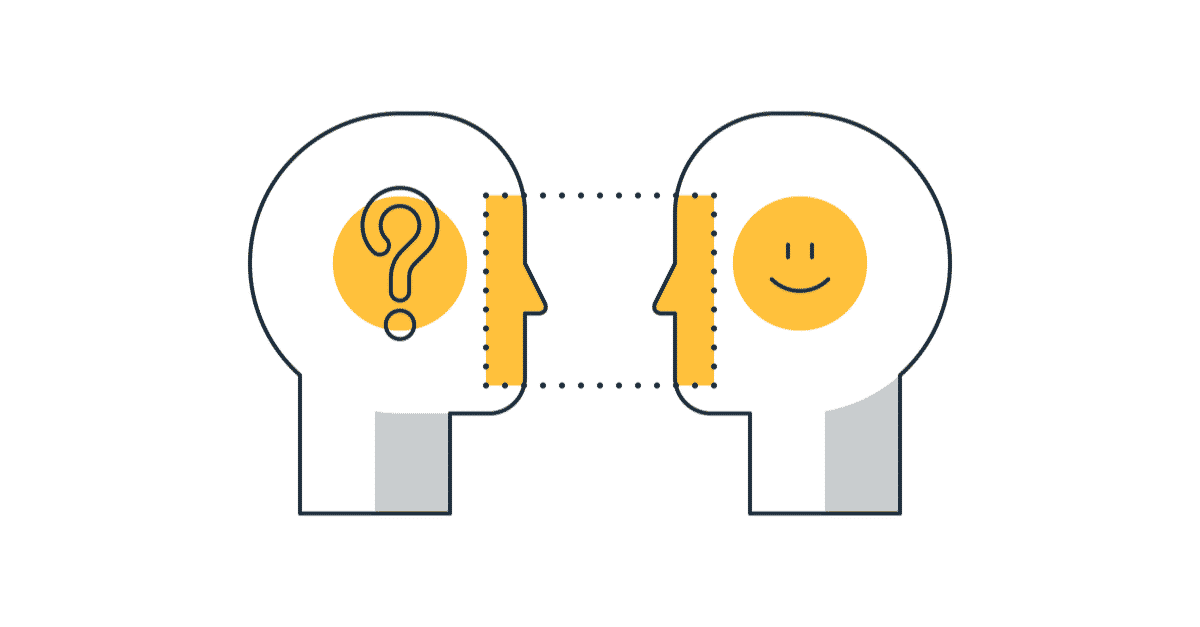
What is a cognitive bias?
The concept of “cognitive bias” emerged in the 1970s through the psychological research of Daniel Kahneman and Amos Tversky. It refers to a falsely logical, unconscious, and systematic thinking mechanism. It generally leads to a loss of objectivity, distorting decision-making through judgment alteration. Originally, cognitive biases helped our brains save time and energy by developing mental shortcuts.✅ Useful Cognitive Biases in Management:
The Hawthorne Effect
Between 1928 and 1932, Elton Mayo continued studies on the performance of female workers at the Hawthorne Works factory. He investigated factors that influenced productivity by changing working conditions. He found that performance increased when working conditions improved. Surprisingly, performance continued to increase even when conditions worsened. He realized that being listened to had a direct impact on productivity. Conclusions from this experiment: 🌟 Receiving special attention boosts self-esteem 🌟 Being the focus creates internal motivation and solidarity, enhancing performance 🌟 Participative leadership improves engagement This cognitive bias directly influences performance by altering an individual’s behavior when they know they are being listened to. Applied to the business world, it can increase employee productivity through active listening. By placing employees at the center of objectives, teams create internal motivation and solidarity, leading to better results, even under challenging working conditions.The Pygmalion Effect
The Pygmalion Effect is a mechanism where the judgment we hold about a person (including ourselves) partly determines their behavior. How can this be implemented in management? It’s simple: Belief in the success of a project by superiors, peers, or the individual themselves enhances the performance of the person in charge. This ties into self-esteem; simply believing in one’s success contributes to achieving it. Therefore, it’s essential to value your teams.❌ Biases to Avoid (and How to Counteract Them):
Escalation of Commitment
This common bias involves not abandoning an unproductive idea due to the unwillingness to accept wasted time and effort. This leads to even more time being wasted, despite knowing the likely outcome. To mitigate this bias, accept that the time and effort invested are a learning experience that will be useful later. The ability to react in time is a significant differentiating strength within a team.The Boomerang Effect
 This effect involves rejecting any suggestion perceived as an attempt to influence us. The Boomerang Effect prompts us to do the opposite of the suggestion, even if it is sincere.
To counteract this bias, recognize that it can be used to manipulate us either way, prompting us to consider the consequences of our decisions rather than focusing solely on the satisfaction of the person who made the suggestion.
This effect involves rejecting any suggestion perceived as an attempt to influence us. The Boomerang Effect prompts us to do the opposite of the suggestion, even if it is sincere.
To counteract this bias, recognize that it can be used to manipulate us either way, prompting us to consider the consequences of our decisions rather than focusing solely on the satisfaction of the person who made the suggestion.